


Restoring Uterine Cavity Health Through Precision-Focused Care.
The uterine cavity is the inner space of the uterus where a pregnancy develops. Certain conditions, such as scar tissue, congenital abnormalities, or growths within the uterus, can alter its normal shape or structure and may contribute to menstrual or reproductive concerns.
At Nova Femina, Nagpur, we provide personalised consultations for women who may benefit from hysteroscopic evaluation and treatment of selected uterine cavity abnormalities. Our approach focuses on identifying the underlying condition, understanding individual health and reproductive goals, and determining the most appropriate treatment.
Led by Dr. Rucha Sanap Changle, Nova Femina is dedicated to personalised gynaecological care, with an emphasis on clinical assessment, patient safety, privacy, and informed decision-making.
What Is Hysteroscopic Reconstruction of the Uterine Cavity?
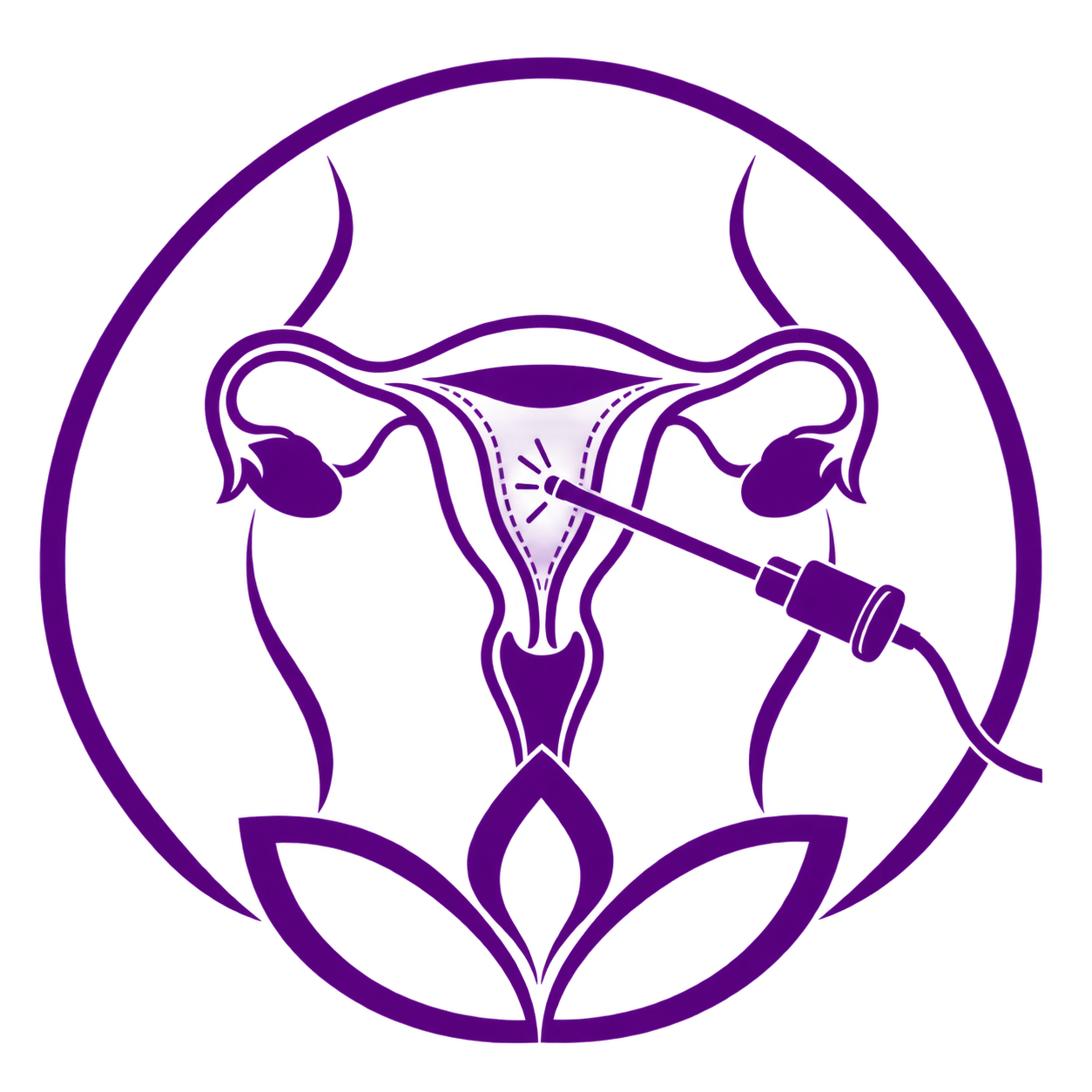
Hysteroscopic reconstruction of the uterine cavity refers to selected procedures performed using a hysteroscope, a thin instrument with a camera and light that allows the doctor to examine the inside of the uterus through the vagina and cervix.
Depending on the diagnosed abnormality, hysteroscopy may be used to release intrauterine adhesions, correct a uterine septum in selected cases, or remove certain growths that distort the uterine cavity.
These procedures aim to address the specific abnormality and restore the cavity’s anatomy where possible. The appropriate technique depends on the diagnosis, the extent of the abnormality, and the patient’s individual circumstances.
Unlike conventional abdominal surgery, hysteroscopic procedures are performed through the natural passage of the cervix and generally do not require abdominal incisions.
Important: Hysteroscopic reconstruction is not a single standardised procedure. Treatment must be selected according to the specific uterine condition, and improved fertility or pregnancy outcomes cannot be guaranteed.
Conditions That May Require Hysteroscopic Treatment
1. Intrauterine Adhesions
Intrauterine adhesions are bands of scar tissue that form inside the uterus and may cause parts of the uterine walls to stick together. Extensive adhesions are associated with Asherman's syndrome. They may develop following certain uterine procedures, pregnancy-related complications, or infection. Depending on their extent, adhesions can be associated with reduced menstrual flow, absent periods, or reproductive difficulties. Hysteroscopic adhesiolysis involves carefully releasing these adhesions to restore the uterine cavity's shape where possible. Follow-up may be necessary because adhesions can recur.
2. Uterine Septum
A uterine septum is a band of tissue that divides part or, in some cases, most of the uterine cavity due to a congenital difference in uterine development. In selected patients, hysteroscopic septum incision, also called hysteroscopic septoplasty or metroplasty, may be considered following an appropriate diagnosis and discussion of the potential benefits and risks. The decision to treat depends on individual circumstances, including reproductive history and treatment goals. Surgery does not guarantee improved fertility or a successful pregnancy.
3. Intrauterine Polyps
Endometrial polyps are growths that develop from the lining of the uterus. Depending on their size, location, symptoms, and clinical significance, they may be removed using hysteroscopic polypectomy. This procedure can address a growth that distorts the uterine cavity or contributes to abnormal bleeding. The need for removal is determined through individual clinical assessment.
4. Submucosal Fibroids
Submucosal fibroids are non-cancerous growths that project into the uterine cavity. Some can contribute to heavy menstrual bleeding and may affect the shape of the cavity. Selected fibroids can be removed using hysteroscopic myomectomy. Suitability depends on their size, location, depth within the uterine wall, and other clinical factors.
Who May Need Hysteroscopic Uterine Cavity Treatment?
A consultation with a gynaecological specialist may be appropriate for women experiencing:
- Abnormal menstrual bleeding: Heavy, irregular, or unusually light periods that require investigation.
- Absent or reduced menstrual flow: Symptoms that may be associated with intrauterine adhesions or other conditions.
- Known uterine cavity abnormalities: A septum, scar tissue, polyp, or selected fibroids identified during investigations.
- Reproductive concerns: Certain findings identified during the assessment of infertility or recurrent pregnancy loss.
- Previous uterine procedures: A history that may increase the possibility of intrauterine adhesions, particularly when accompanied by relevant symptoms.
These symptoms can have several causes. Hysteroscopic surgery is recommended only when the clinical findings indicate that treating the uterine cavity abnormality is appropriate.
How Is Hysteroscopic Reconstruction Performed?
1. Initial Consultation
Your consultation begins with a discussion about your symptoms, menstrual history, previous pregnancies or uterine procedures where relevant, medical history, and reproductive goals.
2. Diagnostic Assessment
Your doctor may recommend a pelvic ultrasound, specialised uterine imaging, or diagnostic hysteroscopy to identify the nature and extent of the abnormality. The investigations required depend on the suspected condition. A uterine septum, for example, must be distinguished from other uterine shapes before corrective surgery is considered.
3. Personalised Treatment Planning
If an abnormality is identified, your doctor will explain the appropriate procedure, its potential benefits and limitations, available alternatives, and any preparation required.
4. Hysteroscopic Procedure
The hysteroscope is passed through the vagina and cervix into the uterus. Small instruments may be used to release adhesions, incise a septum, or remove selected polyps or fibroids. Depending on the procedure and its complexity, treatment may be performed in an outpatient setting or an operating theatre, with an appropriate pain-management or anaesthesia plan.
5. Recovery and Follow-Up
After treatment, you may require follow-up to assess healing and determine whether the uterine cavity has been adequately restored. Depending on the condition, repeat imaging or hysteroscopy may be recommended. Women planning pregnancy should discuss the appropriate timing and any further assessment with their treating clinician.
Potential Benefits of Hysteroscopic Treatment
When appropriately indicated, hysteroscopic treatment may help address specific abnormalities inside the uterus.
Potential benefits depend on the condition and may include:
- Releasing scar tissue associated with intrauterine adhesions.
- Correcting selected congenital abnormalities, such as a uterine septum.
- Removing cavity-distorting polyps or selected submucosal fibroids.
- Addressing certain causes of abnormal menstrual bleeding.
- Restoring the shape of the uterine cavity where possible.
The benefits vary according to the underlying diagnosis. Although some women may undergo treatment as part of fertility management, hysteroscopic surgery does not guarantee conception, prevent miscarriage, or ensure a successful pregnancy.
Recovery After Hysteroscopic Uterine Cavity Surgery
Recovery depends on the procedure performed, the extent of the abnormality, and individual health.
Temporary menstrual-like cramps, light bleeding, or spotting may occur after hysteroscopy. Recovery after a straightforward procedure may be relatively quick, while more extensive operative procedures may require additional rest and follow-up.
Your doctor will provide instructions regarding hygiene, physical activity, sexual activity, and when to seek medical attention.
Seek prompt medical care if you experience severe or worsening abdominal pain, fever, heavy bleeding, or foul-smelling vaginal discharge.
Understanding the Risks
Hysteroscopic procedures are generally considered safe when appropriately indicated and performed by trained clinicians. However, potential risks include:
- Bleeding or infection.
- Injury or perforation of the uterine wall.
- Injury to surrounding structures in rare cases.
- Complications related to the fluid used during the procedure.
- Formation or recurrence of intrauterine adhesions.
- Incomplete correction or the need for additional treatment.
The risks depend on the specific procedure and individual circumstances. A detailed discussion of the potential benefits, limitations, and alternatives is essential before treatment.
Why Choose Nova Femina?
1. Personalised Clinical Assessment
Treatment recommendations based on the diagnosed uterine abnormality, symptoms, medical history, and individual goals.
2. Individualised Treatment Planning
A careful discussion of appropriate hysteroscopic procedures and available alternatives.
3. Privacy and Confidentiality
A respectful environment where women can discuss menstrual, reproductive, and gynaecological concerns comfortably.
4. Informed Decision-Making
Clear explanations of the proposed procedure, expected recovery, potential complications, and realistic outcomes.
5. Continued Clinical Care
Appropriate aftercare and follow-up to monitor recovery and determine whether further assessment is required.
Consult for Hysteroscopic Uterine Cavity Treatment in Nagpur
If you have been diagnosed with intrauterine adhesions, a uterine septum, or another uterine cavity abnormality, a specialist consultation can help you understand your condition and explore appropriate treatment options.
At Nova Femina, Nagpur, you can enquire about a consultation with Dr. Rucha Sanap Changle to discuss your diagnosis, treatment suitability, and individual reproductive health goals.
Understand your condition. Explore your options. Make an informed decision.